NEWS
Current Status and Progress of R&D of Carbonized Silicon
The carbonization process for producing silica dioxide involves reacting liquid sodium silicate (water glass) with carbon dioxide to produce silica dioxide (white carbon black) and a waste liquid containing sodium carbonate. The carbon dioxide used in this process is sourced from the flue gas emissions of the kiln used in the production of water glass. The low-to-moderate concentration carbon dioxide flue gas is separated through a macroporous white carbon black modified with organic amines to recover over 90% of the carbon dioxide, reducing carbon dioxide emissions. The carbon dioxide is recovered while the heat energy in the kiln flue gas is also recovered to generate steam and hot water for use in the production of white carbon black. The waste liquid is then evaporated and crystallized to produce solid sodium carbonate and condensate, which is then recycled as production water in the system. The sodium carbonate is then returned to the kiln as a raw material for the production of sodium silicate, completing the sodium and carbon cycles.
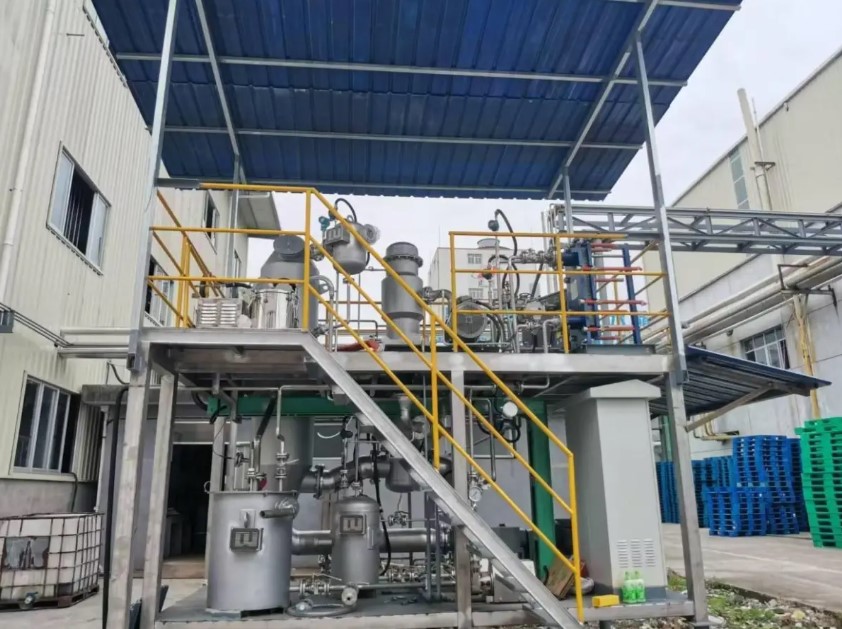
1.At present, the small-scale test of the formula of a series of products of carbonized silica has been completed, and the pilot test is in progress.
2.In December 2024, the company completed a pilot test to replace its existing tire-type silica with carbonization products, which was accepted by customers.
3.The construction of a 30,000 ton/year carbonization pilot production line will be completed and put into operation before April 2025.
4.The establishment and investment construction of a 250,000 ton/year carbonization silica project will be completec